How to Negotiate Warehouse Lease Terms
By Michael Law · Industrial Real Estate Broker, Lennard Commercial Realty
A warehouse lease can look straightforward until the operational details start surfacing. Base rent gets attention, but the real leverage often sits in escalation clauses, shipping access, repair obligations, term length, and renewal language. If you want to know how to negotiate warehouse lease terms effectively, start by treating the lease as an operating document, not just a real estate form.
For tenants, a weak lease can limit growth, create surprise costs, and interfere with day-to-day logistics. For landlords, poorly structured terms can create conflict, vacancy risk, and avoidable disputes. The best negotiations are not about pushing the other side into a corner. They are about aligning the lease with how the warehouse will actually be used.
Start with the building, not the rate
Many lease negotiations go off track because the parties begin and end with asking rent. That number matters, but it only makes sense in context. A warehouse with lower rent and weak loading, limited trailer parking, low clear height, or outdated power may be more expensive for a business than a higher-rent building that supports efficient operations.
Before negotiating terms, get clear on what the facility must do for your business. That includes shipping volume, receiving patterns, storage systems, employee parking, truck circulation, office ratio, HVAC needs, and any specialized power or equipment requirements. If the building does not fit the operation, even a well-negotiated lease will underperform.
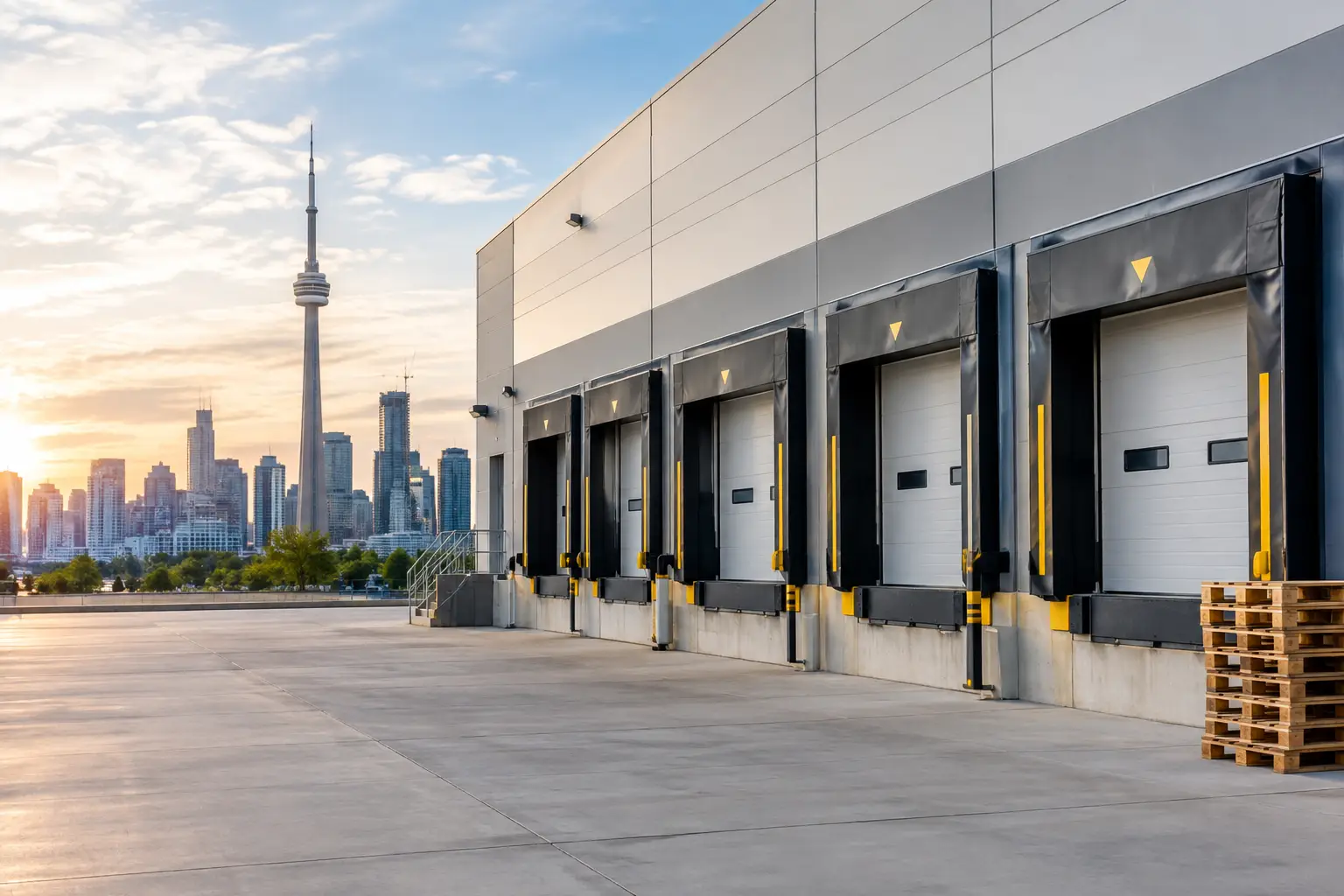
In markets like Toronto and the GTA, where industrial supply can be tight and competition for functional space is often strong, this distinction matters even more. Tenants sometimes accept legal and financial terms they would otherwise challenge because they are focused on securing space quickly. That is usually where costly mistakes begin.
How to negotiate warehouse lease terms with leverage
Leverage does not come only from market conditions. It comes from preparation. A tenant with a clear space requirement, financials in order, realistic timing, and a well-defined use can negotiate from a stronger position than a tenant who is still figuring out its own needs.
The same is true for landlords. A landlord who understands comparable market terms, building strengths, tenant demand, and capital limits can negotiate with more discipline. They know where to hold firm and where flexibility helps secure a better deal overall.
A useful way to frame negotiation is to separate business points from legal language. First, negotiate the major economic and operational terms. Then make sure the lease document reflects those terms accurately. Too many parties reach verbal agreement on core points and assume the form lease will sort itself out. It rarely does.
Focus on the clauses that change total occupancy cost
Base rent is only one part of occupancy cost. Additional rent, operating expenses, tax recoveries, utilities, and maintenance obligations can materially change the economics of the deal.
If the lease is net or triple net, review exactly what expenses are recoverable. Ask whether there are management fees, administrative markups, capital expenditures, or repair costs being passed through. Some landlords seek broad recovery rights. Some tenants assume standard exclusions apply even when the lease does not say so. That gap can become expensive.
Rent escalation also deserves close review. Annual increases may be fixed, tied to market, or indexed in some way. Fixed increases create predictability, which many occupiers value. Market resets can work in either direction, but they also create uncertainty at renewal. There is no universal best option. It depends on your business plan, lease term, and view of the market.
Free rent and landlord inducements should also be weighed against term length and overall rate. A concession that looks attractive up front may be offset by a longer commitment or higher escalations later. The right question is not whether you received incentives. It is whether the full economics make sense over the life of the lease.
Repair, maintenance, and replacement language matters more than most tenants expect
One of the most negotiated warehouse lease terms is who handles repairs, maintenance, and replacement of building systems. Roof, structure, slab, shipping doors, fire suppression, HVAC, and electrical systems all carry different cost profiles. If the lease is vague, disputes tend to appear when something fails.
A tenant should understand whether it is responsible only for routine maintenance or also for major capital replacement. A landlord should be clear about what it retains, what it passes through, and how repair obligations are triggered. Even when a tenant accepts broad responsibility, the lease should distinguish between wear and tear, pre-existing conditions, and major structural issues.
This is especially important in older industrial assets. If a building has aging systems, deferred maintenance, or functional limitations, those conditions should be addressed before lease execution or specifically allocated in the lease. Otherwise, each side may assume the other is taking the risk.
Use and exclusivity should match the operation
Permitted use language is often drafted too narrowly or too loosely. If it is too narrow, the tenant may be constrained as the business evolves. If it is too broad, the landlord may face use conflicts, insurance issues, or operational impacts on other tenants.
The right permitted use clause reflects realistic current use plus reasonable future flexibility. For example, a warehouse user may need storage, assembly, light manufacturing, e-commerce fulfillment, showroom use, or accessory office functions. If those are likely, they should be addressed clearly.
Some tenants also need exclusivity protections, especially in multi-tenant industrial projects where direct competition, parking conflicts, or loading congestion could affect business. Not every deal justifies exclusivity, but where it matters, it should be negotiated early. Landlords rarely want broad restrictions inserted late in the process.
Renewal options and expansion rights are strategic terms
A warehouse often becomes more valuable to the tenant after move-in than it was at lease signing. Racking is installed, workflows are established, staff is trained, and transportation patterns are built around that location. That is why renewal options matter.
An option to renew can preserve continuity and reduce relocation risk, but the wording is critical. Pay attention to when notice must be given, how renewal rent is set, and whether the option is lost if the tenant is in default. Some clauses are drafted so tightly that a useful right exists on paper but is difficult to exercise in practice.
Expansion rights, rights of first offer, and rights of first refusal can also be valuable in industrial properties. They are not always available, and landlords may resist tying up future vacancy. Still, for a growing occupier, these terms can be more important than a small rent concession.
Assignment, subletting, and exit flexibility
No one signs a warehouse lease planning for disruption, but business conditions change. Demand shifts, ownership changes, supply chains move, and space needs evolve. A lease should not assume a static business over five or ten years.
That is why assignment and subletting provisions deserve careful attention. Landlords need approval rights and credit protection. That is reasonable. Tenants need practical flexibility if the business restructures, is sold, or no longer needs the full premises. The balance usually comes down to consent standards, response times, recapture rights, and whether profit sharing applies.
If a lease term is long, early termination rights may also be worth discussing. They are not common in every market, and landlords typically price them carefully, but in some cases they provide useful risk management. Whether they make sense depends on the tenant's certainty, the landlord's vacancy exposure, and current demand for comparable space.
How to negotiate warehouse lease terms without creating future disputes
The strongest lease negotiations are precise. Ambiguity helps no one. If tenant improvement work is promised, the scope, timing, approval process, and delivery standard should be written clearly. If the tenant needs extra power, dedicated parking, trailer stalls, signage, or after-hours access, those items should appear in the lease or a detailed exhibit.
Verbal understandings are where many industrial lease disputes begin. One side remembers a promise. The other points to the document. In practice, the lease controls. That makes careful drafting part of negotiation, not an afterthought.
It also helps to involve the right people early. Operational leaders can identify shipping and facility risks that legal counsel may not catch. Brokers can benchmark market terms and spot economic issues quickly. Lawyers can translate the deal into enforceable language. When those roles work together, the lease tends to perform better after signing.
For clients evaluating warehouse space, Michael Law Commercial Real Estate often sees the same pattern: the most successful outcomes come from matching lease terms to actual business use, not from chasing the lowest headline rent.
A good warehouse lease should give both sides room to operate with fewer surprises. If the document reflects the building, the business, and the market reality, negotiation stops being a contest and starts doing what it should - protecting value over time.

About Michael Law
Managing Partner and Industrial Real Estate Broker at Lennard Commercial Realty. Representing tenants and landlords across Toronto and the GTA for 15+ years. Michael specializes in GTA industrial real estate — connect with Toronto's leading industrial broker at mlawrealestate.com/industrial-broker-toronto.