Warehouse for Sale: How to Buy With Confidence
By Michael Law · Industrial Real Estate Broker, Lennard Commercial Realty
A warehouse for sale can look like a straightforward acquisition: a building, a yard, a loading area, and a price. In practice, the right property must support how your business operates today, accommodate growth, and remain marketable when it is time to refinance, lease, or sell. A building that is inexpensive at closing can become costly if truck access is constrained, zoning is wrong, or major capital work is waiting beneath the surface.
For owners, investors, and business operators in Toronto and the GTA, the strongest purchase decisions begin before an offer is written. The goal is not simply to secure a property. It is to secure the right industrial asset at terms that account for its operational limits, income potential, and future exit value.
Start With the Business Case, Not the Listing
Before reviewing available buildings, define the role the property will play. An owner-occupier may prioritize proximity to customers, labor, highways, and suppliers. An investor may place more weight on tenant covenant, lease term, rent growth, and replacement cost. A developer may be focused on site coverage, zoning permissions, and the potential to improve or reposition the asset.
These priorities overlap, but they do not produce the same buying criteria. A 20,000-square-foot building with excess office space may work well for a distribution business but be less attractive to a future industrial tenant. A fully leased warehouse may offer stable income, yet the lease could limit the owner's ability to occupy the building later.
Establish a clear acquisition brief that addresses size, clear height, shipping requirements, power needs, office percentage, lot size, location, budget, and timing. Also identify the compromises that are acceptable. For example, a buyer may accept an older building in exchange for a larger yard, but not accept limited trailer circulation if daily shipping volume is high.
What to Review When a Warehouse Is for Sale
Industrial properties should be evaluated as operating facilities, not just as square footage. The details that affect daily movement of people, goods, and vehicles often determine whether a building creates value or friction.
Loading, circulation, and site function
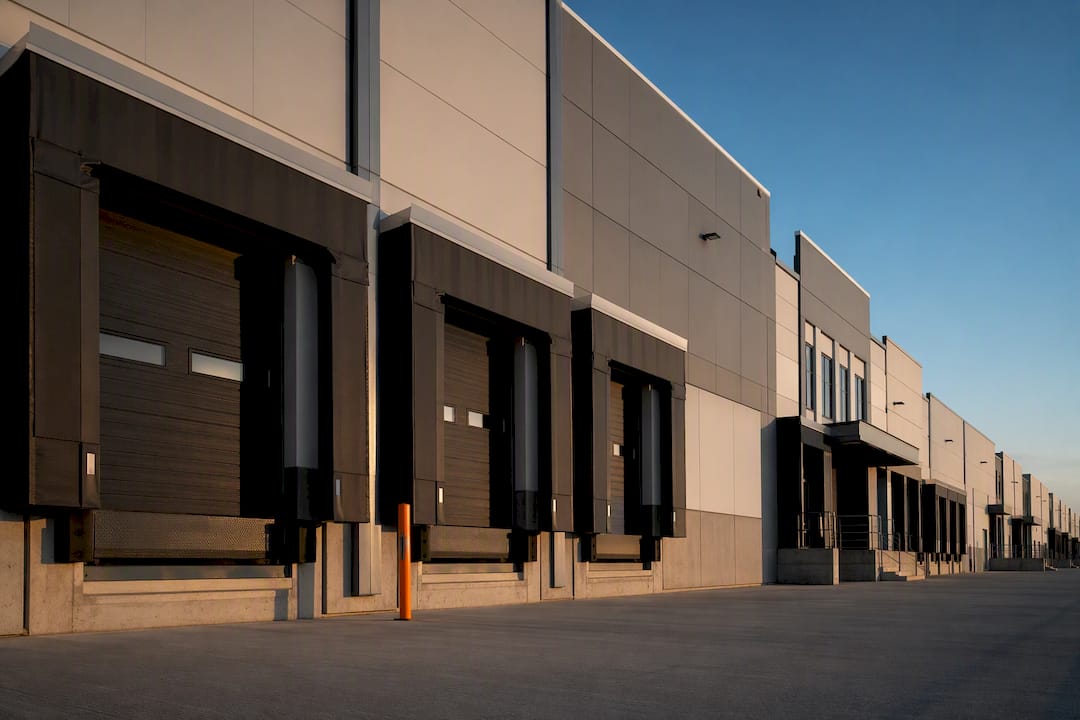
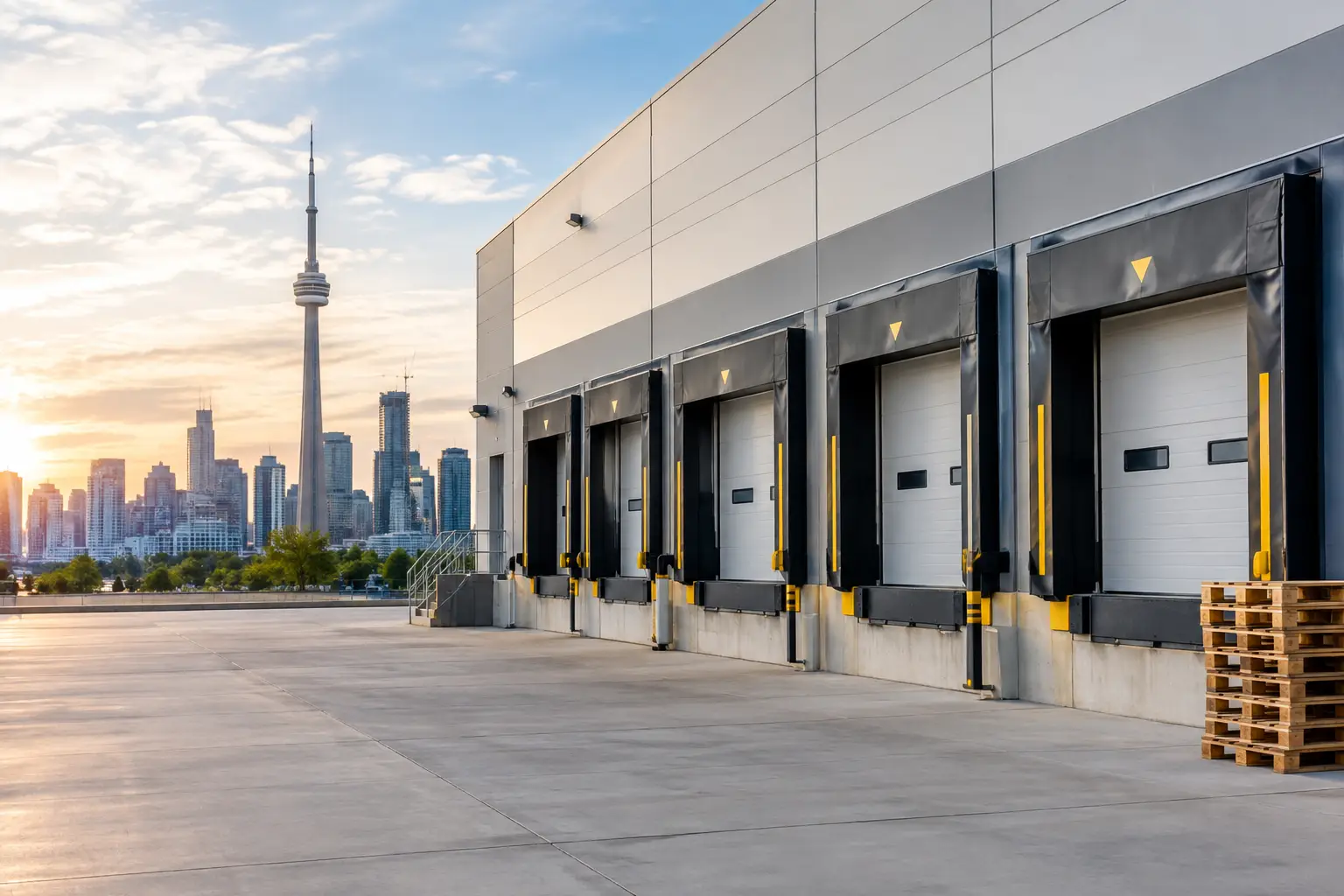
Loading configuration is one of the first items to verify. Determine the number and type of shipping doors, whether loading is truck-level or drive-in, dock condition, apron depth, and the ability to stage vehicles. A warehouse with several dock doors may still be inefficient if trailers cannot maneuver safely or if the site has limited room for parking and outdoor storage.
Review the site during the hours that matter to your operation. A quiet afternoon inspection may not reveal access congestion, shared driveways, tight turning radii, or conflicts between employee parking and freight movement. For distribution, manufacturing, and service businesses, these issues can affect labor efficiency and customer service every day.
Clear height, power, and physical condition
Clear height affects storage density and tenant demand. Higher clear heights generally support modern racking systems and offer broader leasing appeal, but they are only part of the equation. Column spacing, sprinkler capacity, slab condition, HVAC, lighting, and power supply all need to match the intended use.
Power is particularly important for manufacturing, food-related uses, data-intensive operations, and businesses adding equipment or electric vehicle infrastructure. Ask for available service details and confirm whether capacity is adequate. Upgrading electrical service can involve cost, lead time, and utility coordination that should not be treated as a minor post-closing task.
Older industrial buildings can offer excellent locations and lower entry costs, but they require closer review. Roof age, drainage, environmental history, structural modifications, fire code compliance, and deferred maintenance should be understood before price and conditions are finalized. A proper building inspection is not a formality. It is a pricing and risk-management tool.
Zoning and permitted use
Never assume that a building's prior use is automatically permitted for your planned operation. Municipal zoning by-laws may limit outdoor storage, retail components, vehicle-related uses, processing activities, noise, hours of operation, or the percentage of office space. Additional approvals may be needed even where the general industrial use appears compatible.
This is especially relevant when a business relies on outdoor storage, fleet parking, contractor yards, showroom space, or specialized manufacturing. Confirm permitted uses directly and identify any existing legal non-conforming status, site plan obligations, or restrictions registered on title. If the business case depends on a specific use, the purchase agreement should provide sufficient protection while that use is verified.
Underwrite the Full Cost of Ownership
The purchase price is only one part of the capital commitment. Buyers should build a realistic ownership model that includes property taxes, insurance, utilities, repairs, financing costs, legal expenses, environmental work, and required improvements. If the building is occupied by a tenant, add leasing costs, landlord responsibilities, rent escalation, vacancy assumptions, and renewal risk.
For an owner-occupier, the comparison is often between buying and continuing to lease. That calculation should consider more than monthly occupancy cost. Ownership can provide control over the premises, potential equity growth, and flexibility to invest in specialized improvements. It can also tie up capital, create maintenance obligations, and reduce flexibility if the business changes direction.
For investors, net operating income needs to be tested rather than accepted at face value. Review the lease, recoverable expenses, tenant payment history, security deposits, options, guarantees, and capital obligations. A lease that appears strong on a listing summary may include below-market rent, an early termination right, significant landlord work, or expenses that are not fully recoverable.
The exit should be considered at the same time as the entry. Ask who is likely to buy or lease the property in five to 10 years. Buildings with functional loading, practical clear height, strong access, and adaptable zoning tend to have a wider buyer pool. Highly specialized improvements may be valuable to one user but less valuable to the broader market.
Due Diligence Should Change the Conversation
A disciplined due diligence period gives the buyer an opportunity to verify assumptions and renegotiate if facts differ from what was represented. The scope depends on the property, but it commonly includes title review, survey review, zoning confirmation, building inspection, environmental assessment, lease review, and financial review.
Environmental due diligence deserves particular attention with industrial assets. Historical manufacturing, automotive, fuel, dry-cleaning, chemical, and waste-related uses can create liabilities that exceed the value of the building. A Phase I environmental site assessment is commonly used to identify recognized risks. If concerns are identified, further investigation may be necessary before proceeding.
Do not treat due diligence as a checklist completed by separate consultants. The findings need to be connected to the deal. A roof nearing the end of its life may justify a price adjustment or holdback. Inadequate power may require a revised improvement budget. A zoning concern may call for an extended condition period or a decision to walk away.
Structure the Offer Around the Real Risks
The best offer is not always the highest price. Terms, timing, deposit structure, conditions, and possession requirements all affect the seller's decision and the buyer's exposure. A clean offer can be compelling, but removing protections before key risks are understood can create unnecessary problems.
Financing conditions are often appropriate where lending is central to the acquisition. Inspection, environmental, zoning, and document review conditions may also be necessary, particularly for older buildings, tenanted assets, or specialized operations. The condition period should be long enough to complete meaningful review, but focused enough to remain credible to the seller.
If the building will be occupied by the buyer, coordinate the purchase timeline with lease expiry, equipment delivery, fit-out work, and employee relocation. If it is tenanted, make sure possession, estoppel certificates, rent adjustments, and tenant communications are addressed clearly. Commercial transactions can lose momentum when operational details are left until the final week.
Local Market Knowledge Can Protect Value
Toronto and the GTA industrial market is not one uniform market. A warehouse in Mississauga may compete on highway access and established logistics infrastructure, while a property in Vaughan, Brampton, or Hamilton may attract a different mix of users based on site size, labor access, pricing, and supply. Comparable sales need to be genuinely comparable in location, functionality, condition, and buyer profile.
This is where experienced representation adds practical value. Michael Law Commercial Real Estate helps clients assess not only asking price, but also the marketability, operational fit, and negotiation position behind an industrial acquisition. The right advice can prevent a buyer from paying a premium for features that do not support the business plan.
A warehouse purchase should leave room for the business to operate, adapt, and eventually make its next move. When the property's physical function, legal permissions, financial performance, and future demand are aligned, confidence comes from the work completed before closing.

About Michael Law
Managing Partner and Industrial Real Estate Broker at Lennard Commercial Realty. Representing tenants and landlords across Toronto and the GTA for 15+ years. Michael specializes in GTA industrial real estate — connect with Toronto's leading industrial broker at mlawrealestate.com/industrial-broker-toronto.