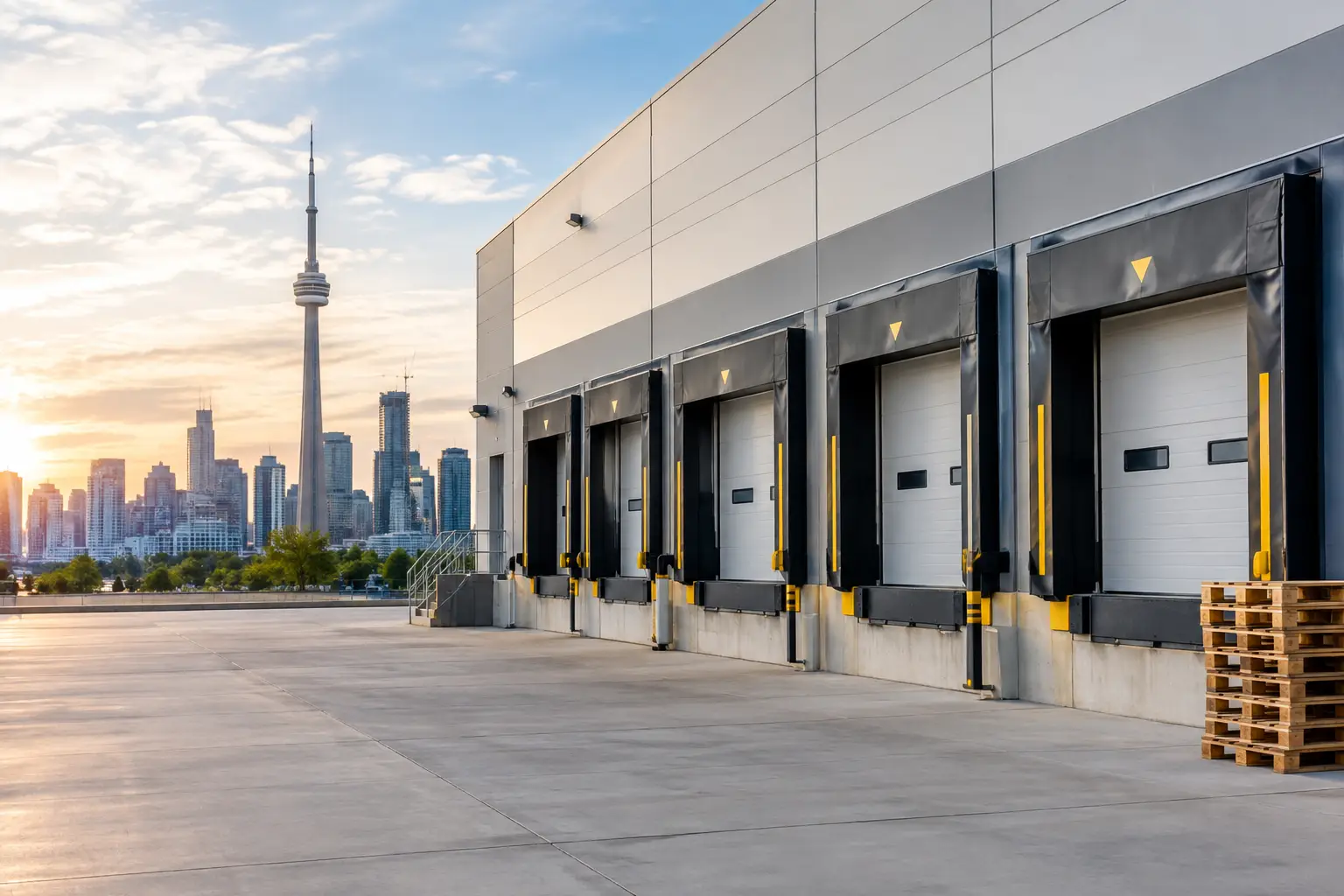
Warehouse Refinancing: Timing, Terms, and Value
By Michael Law · Industrial Real Estate Broker, Lennard Commercial Realty
A warehouse can be operating well while its financing is working against it. Warehouse refinancing gives an owner the opportunity to replace existing debt with new terms that better match the property’s value, income, and business plan. For industrial owners in Toronto and the GTA, the decision is rarely just about securing a lower rate. It is about protecting cash flow, preserving flexibility, and putting the asset in a stronger position for the next lease, expansion, acquisition, or sale.
Refinancing can create meaningful value, but only when the timing and structure are right. A favorable headline rate does not automatically offset a costly prepayment penalty, a weak appraisal, or restrictive lender covenants. Owners should approach the process as a property and capital-planning exercise, not simply a mortgage renewal.
When Warehouse Refinancing Makes Sense
The most common reason to refinance is an approaching loan maturity. Waiting until the final weeks before maturity can limit lender choice and negotiating leverage, particularly if the property has a vacancy, a short lease term, or an environmental issue requiring further review. Starting the process well in advance allows time to assemble information, address lender questions, and compare real alternatives.
A refinance may also make sense before maturity when the property has materially improved. Perhaps a below-market tenant was replaced, rents were renewed at current levels, loading capacity was upgraded, or excess land was repositioned. If the warehouse now produces stronger income or carries a higher market value, new financing may provide better terms or release equity for another purpose.
For owner-occupied industrial buildings, the business itself can drive the decision. A manufacturer or distributor may need capital for equipment, inventory, automation, or an expansion. Refinancing real estate can be a practical source of capital, but it should not leave the operating company with a debt load it cannot comfortably carry during a slower period.
There are also situations where refinancing is not the best move. If the current loan has a substantial break fee, if market value has softened, or if a major tenant’s lease expires soon, holding the existing financing or negotiating an extension may be more prudent. The right answer depends on the asset, not on a generic rate forecast.
Start With Property Value, Not the Loan Balance
Owners often begin with the question, “How much can I borrow?” The more useful starting point is, “How will a lender see this property today?” Lenders assess the warehouse’s value, its income-producing ability, the borrower’s financial position, and the risks attached to the location and tenancy.
An industrial appraisal is influenced by more than building size. Clear height, shipping configuration, truck access, power capacity, office finish, site coverage, parking, zoning, and proximity to transportation corridors all matter. In the GTA, the quality of the location and functionality of the building can have a significant effect on buyer demand and lender confidence.
Income is equally important for investment properties. A lender will review current rents, lease expiry dates, tenant covenant strength, recoveries, renewal options, and vacancy exposure. A fully leased warehouse with a long-term, creditworthy tenant may support more competitive financing than a similar building with short-term leases or a tenant in a challenged industry.
Owner-occupied properties are evaluated differently, but they are not assessed in isolation. The lender may examine company financial statements, operating history, cash flow, customer concentration, and the building’s resale potential. A specialized facility can serve the business well while attracting a narrower pool of future users, which may affect loan terms.
Loan-to-Value and Debt Service Coverage
Two core measures shape most refinancing discussions: loan-to-value ratio and debt service coverage ratio. Loan-to-value compares the proposed loan amount with the property’s appraised value. Debt service coverage considers whether the property’s net operating income can support the required mortgage payments with an acceptable margin.
A property may have enough equity to meet a lender’s loan-to-value requirement but still face constraints if income does not support the proposed debt. The reverse can also happen: strong income may support payments, but a conservative appraisal can cap the available proceeds. Understanding both measures before approaching lenders helps set realistic expectations.
Review the Existing Loan Before Comparing New Terms
The current mortgage documents should be reviewed early. Prepayment costs can materially change the economics of a refinance, especially with fixed-rate commercial debt. Some loans carry yield-maintenance provisions, interest rate differential calculations, or other penalties that become expensive when rates or remaining term are significant.
Owners should also identify any discharge fees, legal costs, lender administration charges, and requirements tied to the new loan. A lower interest rate may look attractive until all transaction costs are included. Conversely, a refinance with modest upfront costs may still be worthwhile if it improves cash flow, extends the term, or provides capital for a high-return use.
Rate is important, but it is not the only term that matters. A shorter term can create flexibility, while a longer term can provide certainty. Variable-rate debt may be appropriate for an owner who expects to sell or refinance soon, but it introduces payment volatility. Fixed-rate debt can stabilize budgeting, although the cost of exiting early may be greater.
Match the Financing Structure to the Business Plan
Warehouse refinancing should reflect what the owner expects to do with the property over the next several years. An investor planning to hold a stabilized, leased facility may prioritize predictable payments and a longer term. An owner preparing a redevelopment application, lease-up strategy, or sale may value flexibility over the lowest available rate.
Cash-out refinancing deserves particular discipline. Pulling equity from a warehouse can fund an acquisition, repay more expensive debt, finance capital improvements, or support business growth. It can also increase risk if proceeds are used to cover recurring operating shortfalls. The question is not simply whether equity is available. It is whether the use of funds is likely to create more value than the added debt costs and exposure.
For properties with upcoming lease expiries, lenders may underwrite downside scenarios. An owner may need to demonstrate leasing demand, provide current market rent evidence, or accept a lower loan amount until the property is stabilized. In this setting, a clear leasing plan and credible market support can be as important as the financial statements.
Prepare the Information Lenders Will Request
A well-prepared financing package saves time and reduces uncertainty. Lenders typically request current rent rolls, leases and amendments, operating statements, property tax information, insurance details, environmental reports when available, and borrower financial information. For owner-occupied facilities, corporate financial statements and projections may carry added weight.
The goal is not to overwhelm lenders with documents. It is to present a clear, consistent story: what the building is, how it performs, who occupies it, and why the requested financing makes sense. Inconsistencies between rent rolls, leases, and income statements can delay underwriting or lead to more conservative assumptions.
Property owners should also be ready to explain any issue that may appear in due diligence. A recent vacancy, deferred maintenance item, related-party lease, zoning question, or environmental concern does not automatically prevent refinancing. Surprises are more damaging than known issues that have been documented and addressed.
Use the Market to Strengthen Your Position
A lender’s view of a warehouse is shaped by comparable sales, lease transactions, market vacancy, and buyer demand. That is why local industrial market knowledge matters during warehouse refinancing. The underwriting value may not match an owner’s informal estimate, particularly when a building has specialized features, unusual site conditions, or lease terms that differ from current market norms.
Before seeking financing, owners benefit from an objective view of likely value and leasing position. This can identify whether a modest improvement, a lease renewal, or a clearer presentation of the asset could improve financing outcomes. It can also prevent an owner from spending time pursuing loan proceeds that the market is unlikely to support.
Michael Law Commercial Real Estate works with industrial owners who need practical market perspective alongside transaction planning. Whether refinancing is tied to a hold strategy, lease renewal, acquisition, or future sale, the property’s market position should inform the capital decision.
Questions to Resolve Before Committing
Before accepting a term sheet, confirm the effective borrowing cost, prepayment provisions, renewal options, amortization, reporting requirements, guarantees, and any conditions that could limit future decisions. Consider what happens if a tenant leaves, rates change, or the business needs to sell the property earlier than planned.
It is also worth comparing the new loan against doing nothing. Keeping the existing financing, arranging a shorter extension, selling a non-core asset, or injecting outside equity can sometimes produce a better outcome. Refinancing is a tool, not a default solution.
The most productive next step is to review the warehouse as both a real estate asset and a source of capital. With a realistic view of value, lease risk, existing loan costs, and future plans, an owner can enter lender discussions with a clear objective and a stronger basis for decision-making.

About Michael Law
Managing Partner and Industrial Real Estate Broker at Lennard Commercial Realty. Representing tenants and landlords across Toronto and the GTA for 15+ years. Michael specializes in GTA industrial real estate — connect with Toronto's leading industrial broker at mlawrealestate.com/industrial-broker-toronto.