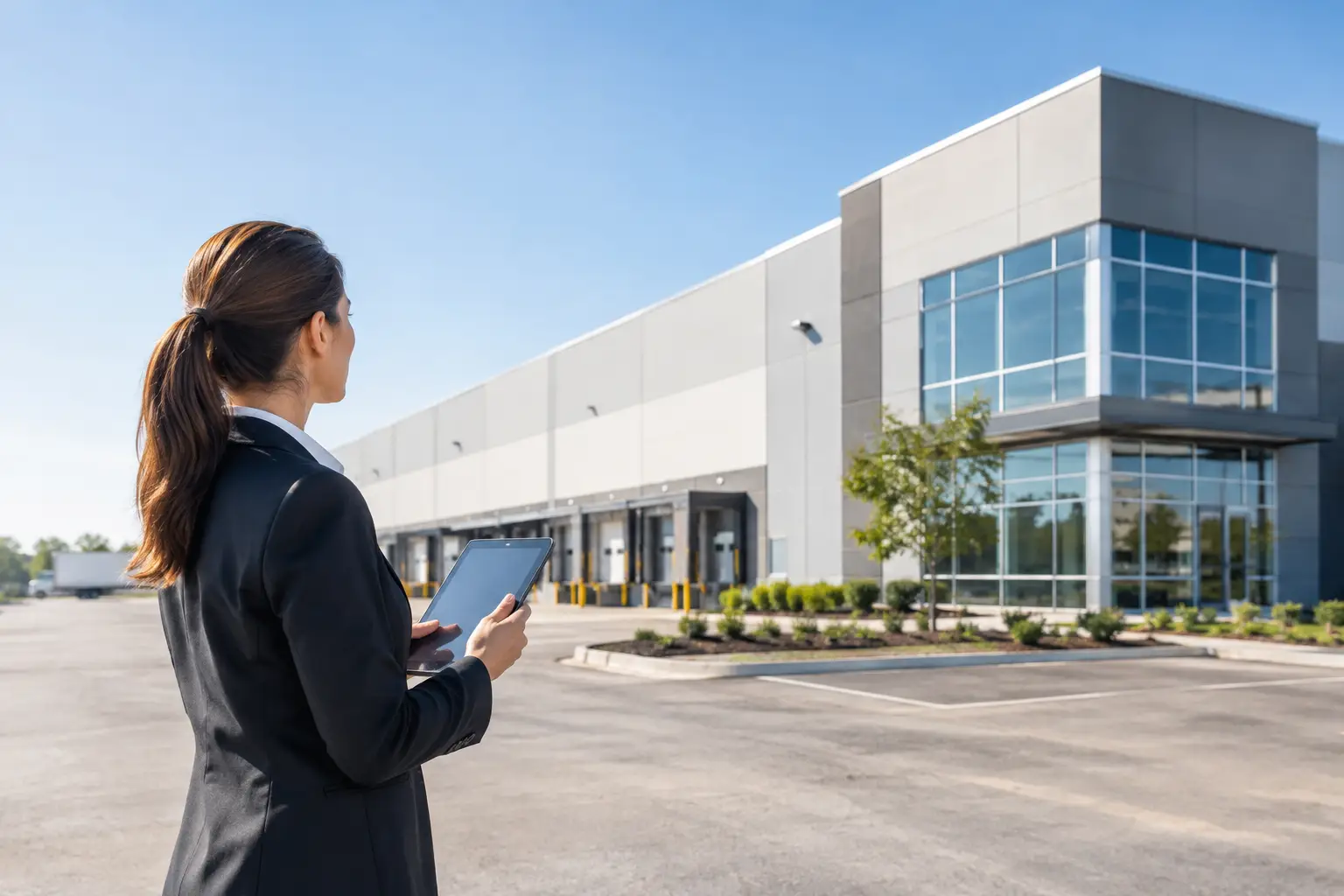
How to Market an Industrial Building for Sale
By Michael Law · Industrial Real Estate Broker, Lennard Commercial Realty
A vacant industrial building can lose momentum quickly. Buyers and tenants notice extended exposure, incomplete property information, or pricing that does not match the market. Knowing how to market an industrial building means treating it as an operating asset, not simply placing a listing online and waiting for inquiries.
How to Market an Industrial Building Before Listing
The first decision is whether the property should be marketed for sale, for lease, or with both options available. The right path depends on the owner’s objectives, current tenancy, financing, holding period, and the building’s appeal to owner-users versus investors. A fully leased facility may attract investors looking for income, while a vacant building with strong shipping access may generate greater demand from a business operator who needs occupancy quickly.
Define the likely buyer or tenant before preparing the campaign. In the Toronto and GTA industrial market, demand can differ significantly between a last-mile distribution user, a manufacturer, a contractor, a storage operator, and a private investor. Each group evaluates the property through a different lens. A manufacturer may focus on power capacity and zoning. A logistics user may focus on clear height, loading configuration, trailer parking, and proximity to major highways.
This early work determines the message, the target list, and the documents required to support a serious offer. Broad exposure has value, but a campaign without a defined audience often produces activity without qualified demand.
Build the Positioning Around Operational Value
Industrial buyers rarely make decisions based on appearance alone. They want to know whether the building works for their operations, what it will cost to occupy, and whether there are limitations that could affect expansion or financing. The marketing package should answer those questions before the first tour.
Start with accurate property details: total and warehouse square footage, office allocation, site size, clear height, shipping doors, drive-in doors, power service, heating, sprinkler system, parking, trailer storage, and zoning. If the property has specialized improvements such as cranes, excess electrical capacity, secured yard space, refrigeration, or upgraded office areas, document them carefully. These features can materially change the buyer pool and perceived value.
Prepare the Facts Before They Are Requested
A clean due diligence file supports credibility and keeps negotiations moving. Depending on the transaction, this may include a survey, floor plans, environmental reports, tax information, utility details, lease documents, operating costs, service contracts, and records for major building improvements. Not every document belongs in public marketing materials, especially where confidentiality matters. However, an owner should know what is available and what must be addressed before serious parties begin asking questions.
Photographs and floor plans should reflect the building’s real operating advantages. A wide exterior shot may look good, but an image showing truck circulation, shipping doors, or usable yard area can be more persuasive to an industrial user. If a facility is occupied, coordinate photography and tours carefully to protect both operations and confidentiality.
Price Against the Actual Competitive Set
Pricing is one of the most consequential parts of the campaign. An asking price should not be based only on a nearby sale, an outdated appraisal, or the owner’s original investment. Industrial values can shift based on vacancy, interest rates, lease terms, location, building functionality, and the availability of competing supply.
Compare the property with buildings that share meaningful characteristics, not merely the same postal code. A building with 32-foot clear height, multiple truck-level doors, and efficient shipping is not directly comparable to an older facility with limited loading. Likewise, a well-located building in a constrained industrial area may deserve different treatment than a similar property in a market with more available land and competing inventory.
For an investment sale, assess the quality and duration of the income stream alongside the physical real estate. A lease with reliable tenancy, market-level rent, and meaningful term remaining can support investor interest. A short lease term or below-market rent may instead appeal to a buyer seeking future owner occupancy or redevelopment flexibility.
Price should create a credible reason for qualified parties to engage. Testing an aggressive number may be appropriate for a rare, highly functional asset, but a price that cannot be supported by the market can reduce urgency and weaken the eventual negotiating position.
Take the Building Directly to Qualified Demand
Marketing an industrial building requires a controlled mix of broad market visibility and targeted outreach. Listing platforms and professional marketing materials establish market presence, but many of the strongest prospects may come from direct contact with active buyers, tenants, brokers, and businesses operating in related locations.
The outreach should focus on the reason the property matters to each audience. An owner-user may respond to the ability to control occupancy costs and build equity. A growing distributor may focus on immediate availability and loading capacity. An investor may be interested in lease security, replacement cost, or potential rent growth.
A well-managed campaign also protects the seller’s leverage. Provide enough detail for serious parties to qualify themselves, then release sensitive information in stages as interest becomes credible. This is particularly important for operating businesses where customer relationships, staffing, inventory, or production activity could be disrupted by uncontrolled tours.
Make Site Tours Productive
The tour should reinforce the property’s position rather than simply open the doors. Prepare access instructions, ensure key areas are visible, and be ready to explain the operational flow from receiving through storage, production, and shipping. If there are known limitations, address them directly. Serious buyers will uncover them during due diligence, and straightforward disclosure avoids wasting time with parties whose requirements cannot be met.
For occupied properties, establish tour windows that respect the tenant or business operator. Disorganized access can create friction, while a professional process signals that the asset is being managed properly.
Control the Offer and Due Diligence Process
The highest price is not always the strongest offer. Evaluate the purchaser’s financing, deposit, conditions, closing timeline, intended use, and ability to complete due diligence. A conditional offer from a well-qualified buyer may be more valuable than a higher offer with vague financing, extensive outs, or a long condition period.
Where multiple parties are interested, the process should be clear and fair. Set deadlines, communicate requirements consistently, and avoid creating uncertainty about how offers will be evaluated. Competition works best when buyers believe the process is organized and the opportunity is real.
Negotiations should also account for terms beyond the purchase price. Environmental responsibility, lease assignments, vacant possession, equipment, access for inspections, representations, and closing adjustments can affect the practical value and risk of the deal. The same applies to leasing, where rent is only one part of the equation. Renewal options, inducements, maintenance obligations, restoration clauses, and expansion rights may carry substantial long-term consequences.
Avoid the Marketing Mistakes That Limit Value
The most common mistake is treating industrial space as generic commercial real estate. A short description, a few exterior photos, and an unverified square footage figure will not persuade sophisticated users or investors. Industrial decisions are operational decisions, and the information presented must reflect that reality.
Another mistake is delaying preparation until after the property is advertised. Missing floor plans, uncertain zoning, incomplete lease details, or unresolved environmental questions can slow the campaign at the exact point when buyer interest is highest. It is better to identify issues early and decide how they will be addressed.
Finally, avoid confusing inquiry volume with market traction. A campaign should be measured by qualified tours, substantive requests for information, competitive interest, and offers from parties that can close. The goal is not attention for its own sake. It is a transaction that meets the owner’s timing, value, and risk requirements.
The best industrial marketing campaigns make the decision easier for the right buyer or tenant. When the building’s operational strengths are clear, the pricing is defensible, and the process is disciplined, serious prospects have a reason to act rather than simply keep looking.

About Michael Law
Managing Partner and Industrial Real Estate Broker at Lennard Commercial Realty. Representing tenants and landlords across Toronto and the GTA for 15+ years. Michael specializes in GTA industrial real estate — connect with Toronto's leading industrial broker at mlawrealestate.com/industrial-broker-toronto.