What Drives North York Warehouse Investment Value
By Michael Law · Industrial Real Estate Broker, Lennard Commercial Realty
A North York warehouse may sit only a few miles from a major highway, but that does not automatically make it a sound acquisition. In a North York warehouse investment, value is shaped by the details that affect a tenant’s daily operation: truck access, loading configuration, power, clear height, zoning, parking, and the ability to move goods through a constrained urban market. Investors who treat industrial real estate as a simple cap-rate exercise can miss the factors that protect income and resale value.
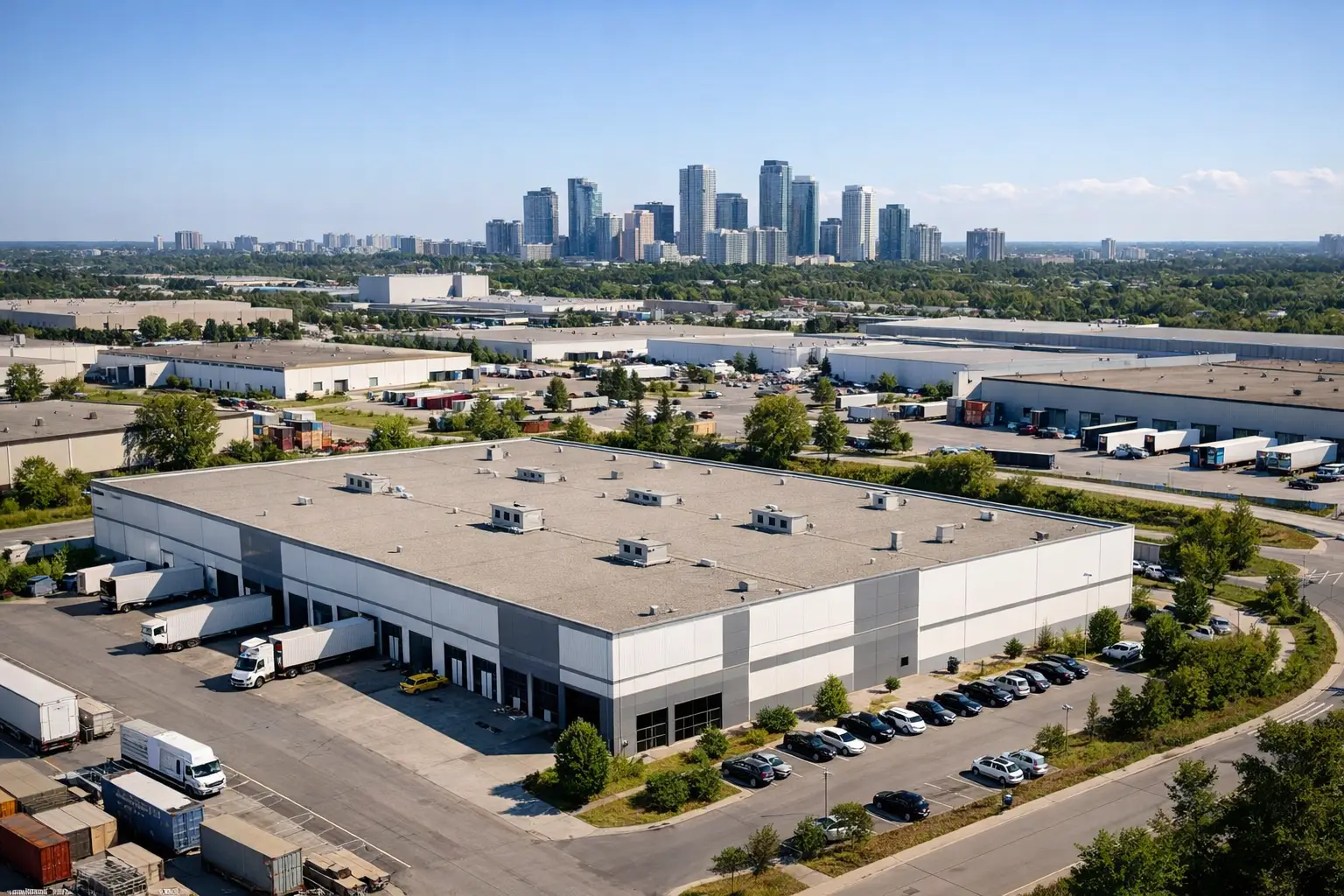
North York remains relevant because it places businesses close to Toronto’s labor base, customers, and key transportation routes, including Highway 401 and connections toward Highways 400 and 404. That location comes with a trade-off. Industrial land is limited, sites are often older, and functional warehouse space can be more difficult to find than the listing description suggests. The right property can have durable appeal. The wrong property can be expensive to reposition.
Why North York warehouse investment requires local analysis
North York is not a single industrial submarket. Demand, access, and pricing can differ materially between properties near major highway interchanges, established employment districts, and more urbanized pockets where industrial uses compete with residential and mixed-use development pressure. A buyer should assess the property in relation to its actual service area, not simply its postal address.
For many occupiers, proximity to Toronto is the central value proposition. Last-mile distributors, building suppliers, food-related businesses, light manufacturers, and service companies may accept a higher occupancy cost to reduce travel time and improve customer coverage. That demand can support rental rates and liquidity, especially for smaller and mid-sized facilities.
However, urban proximity does not solve operational shortcomings. A warehouse with limited turning radius, difficult truck ingress, insufficient parking, or only one dock position may appeal to a narrower tenant pool. Those limitations matter most when a lease expires or an owner needs to sell. The investment case should be built around who can realistically use the building, not who might use it in an ideal market.
Choose the warehouse strategy before the asset
The best acquisition depends on the buyer’s return objectives, capital structure, and tolerance for leasing risk. In North York, three strategies commonly deserve consideration: stabilized income, value-add leasing, and owner-user acquisition.
A stabilized property with a credible tenant and a well-structured lease can offer predictable cash flow. The key is understanding whether the in-place rent is supported by current market conditions and whether the tenant is likely to renew. A lease that appears secure may still create risk if the tenant has an oversized facility, declining business performance, or a relocation option that becomes attractive at expiry.
A value-add acquisition can produce stronger returns, but the work must be real and measurable. It may involve curing deferred maintenance, reconfiguring office space, improving loading, separating utilities, or leasing a vacancy. Investors should not assume every older industrial building can be upgraded into a premium warehouse. Site coverage, zoning controls, environmental conditions, and construction costs can limit the upside.
An owner-user purchase follows a different logic. The buyer is partly investing in real estate and partly securing operational control. The property may justify a lower immediate yield if it prevents future relocation pressure and allows the business to build equity. Even then, the buyer should underwrite a market lease rate and a realistic exit value. A property designed too specifically for one business can be difficult to sell or lease later.
The physical details that protect value
Loading, circulation, and clear height
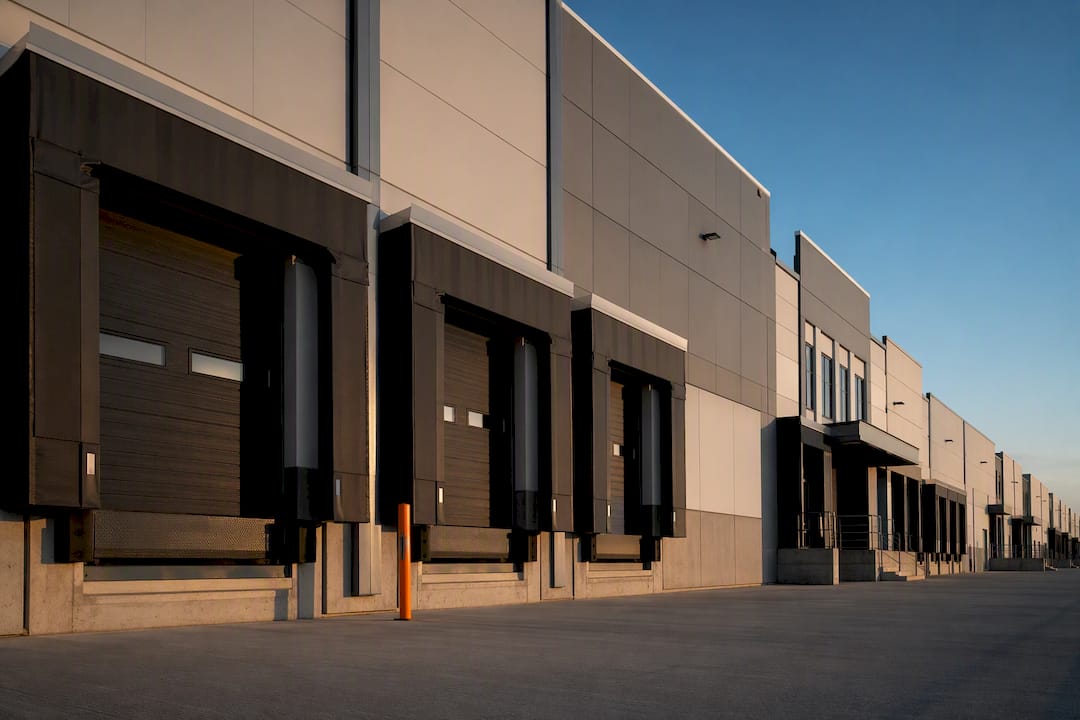
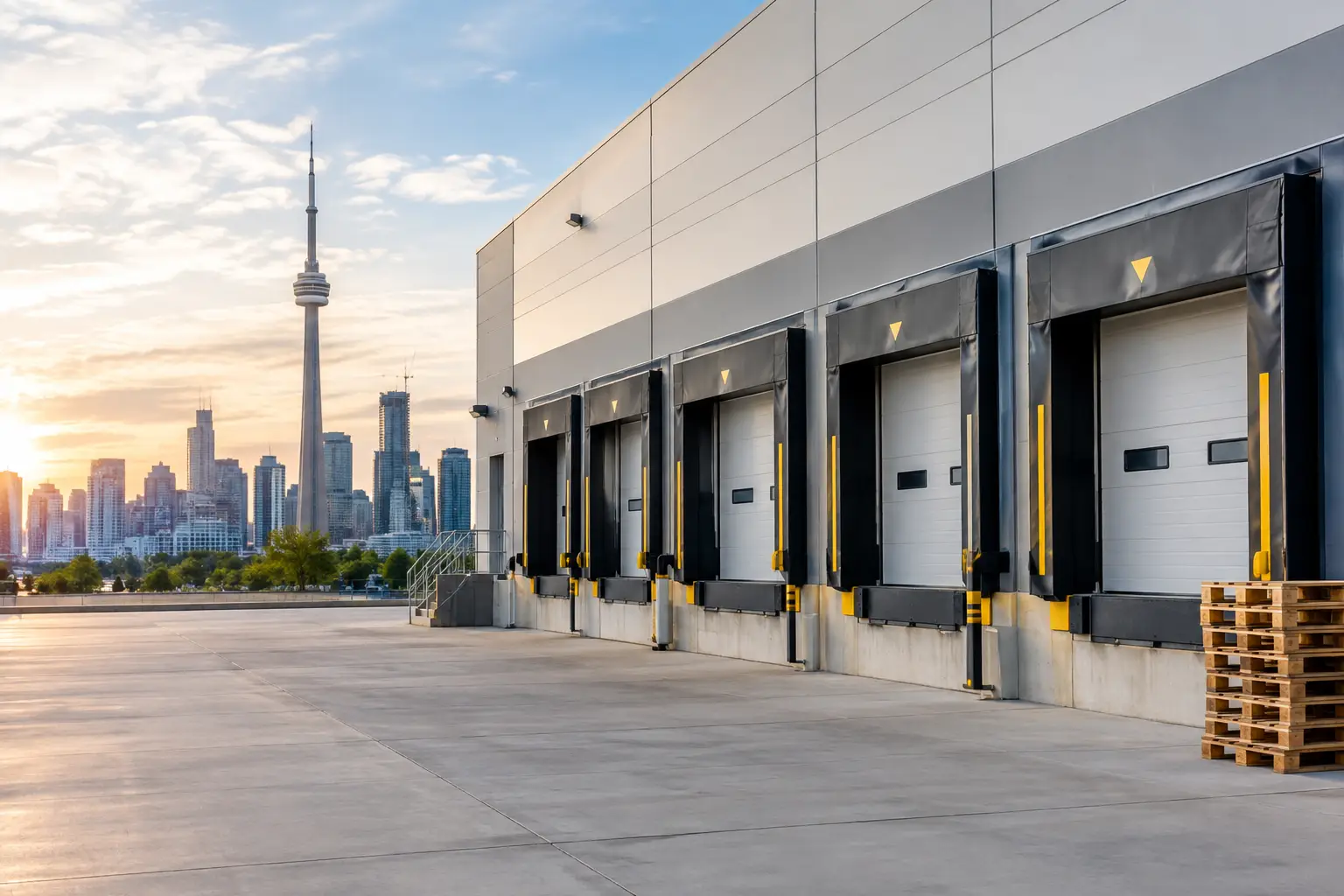
Loading is often the first functional test. Drive-in doors may be sufficient for contractors, trades, and smaller distributors, while dock loading is more important for higher-volume shipping operations. Count the doors, but also observe whether trucks can access them safely and efficiently. A dock that cannot accommodate modern delivery patterns has less value than its existence on a brochure suggests.
Clear height affects storage capacity and tenant demand. Higher clear height generally expands the pool of warehouse users, but it is not the only consideration. Column spacing, sprinkler capacity, floor condition, heating, and power service can be equally important for a production or distribution tenant. Older buildings may remain competitive when their layout, loading, and location fit a specific user base. They should not be valued as newer logistics facilities simply because both are called warehouses.
Yard, parking, and access
In a dense Toronto setting, outside space can be as valuable as interior space. Legal, usable yard area may support vehicle storage, trailer staging, material handling, or equipment parking. Buyers should confirm whether current outdoor storage is permitted, grandfathered, or non-compliant. Do not rely on an existing tenant’s practice as proof of a legal right.
Parking also deserves close review. Industrial tenants need spaces for employees, visitors, service vehicles, and sometimes fleet operations. A building that meets parking requirements on paper can still be operationally constrained if spaces are blocked by trucks or shared with neighboring units. Visit the property at a busy time rather than relying only on a quiet showing.
Zoning and environmental risk
Zoning should be reviewed against the intended use before a buyer removes conditions. Confirm permitted uses, outdoor storage rules, signage allowances, parking standards, and any restrictions that could affect a future tenant. Where redevelopment potential is part of the investment thesis, distinguish between a long-term possibility and an entitlement that can be realistically achieved.
Environmental due diligence is equally central. Historical industrial use, fuel storage, dry cleaning operations, automotive work, and neighboring properties can all create exposure. A Phase I environmental assessment may identify the need for further investigation. The cost and timing of that work should be accounted for early, particularly when lender requirements, indemnities, or remediation obligations could affect the transaction.
Underwrite the income, not just the asking price
A reliable North York warehouse investment model starts with net operating income that can be defended. Review every lease, amendment, renewal option, guaranty, and operating-cost provision. Determine whether the lease is net, semi-net, or gross in practical terms, and identify expenses the owner may still carry. Property taxes, insurance, utilities, roof repairs, snow removal, and capital replacements can materially change the actual return.
Market rent should be tested against comparable buildings with similar functionality. A high quoted rate at a newer, higher-clear-height property may not be relevant to an older unit with limited loading. Conversely, a well-located small-bay warehouse can command strong demand even if it lacks features needed by large logistics users. Comparable analysis works best when it reflects unit size, loading, power, office finish, and access, not just a broad geographic average.
Vacancy assumptions should also reflect the likely re-leasing period for that exact space. Smaller units can attract a larger tenant pool, but they may require more hands-on management and have more frequent turnover. Larger facilities may appeal to fewer users but can create longer-term income once leased. Neither profile is inherently better. The appropriate acquisition price should reflect the risk.
Financing can change the investment result as much as rent growth. Buyers should model interest-rate sensitivity, loan renewal timing, lender reserves, and the impact of a shorter remaining lease term. Canadian transaction costs also need to be included. In Toronto, land transfer taxes can be significant, and applicable sales tax treatment should be reviewed with legal and tax advisors before waiving conditions.
Plan for the exit on day one
The exit buyer may not value the property the same way the original purchaser does. An investor may focus on lease income, while an owner-user may focus on operational utility. A future purchaser will assess both. Preserving flexibility usually supports value: functional loading, clean documentation, transferable service contracts, updated building systems, and leases that clearly allocate responsibilities all make a property easier to finance and sell.
Lease expiry deserves particular attention. A long lease can support financing and income certainty, but only if the rent, covenant, and building condition remain credible. A near-term expiry may create an opportunity to reset rent, yet it can also expose the owner to downtime and tenant-improvement costs. There is no universal preference. The right structure depends on whether the buyer has the capital and leasing capability to manage the next decision point.
A disciplined purchase process brings these issues together before price becomes fixed. Inspect the building with an engineer or qualified contractor, review leases and expenses with counsel, confirm zoning and environmental matters, and speak with financing sources early. A commercial advisor who understands North York industrial operations can help separate a genuinely scarce asset from a property that merely carries a scarce address.
The strongest warehouse investments are rarely the ones with the most aggressive projection. They are the properties where location, functionality, tenant demand, and lease structure continue to make sense when the next buyer asks the same hard questions.

About Michael Law
Managing Partner and Industrial Real Estate Broker at Lennard Commercial Realty. Representing tenants and landlords across Toronto and the GTA for 15+ years. Michael specializes in GTA industrial real estate — connect with Toronto's leading industrial broker at mlawrealestate.com/industrial-broker-toronto.